Our Origin
Legacy
For generations, the Harper name has stood beside giants — not through title or wealth, but through trust, responsibility, and care.
Laton Shires was not created from a trend or a transaction. It was built from a legacy that understands power must be guided, not exploited — and that true stewardship is proven over time.
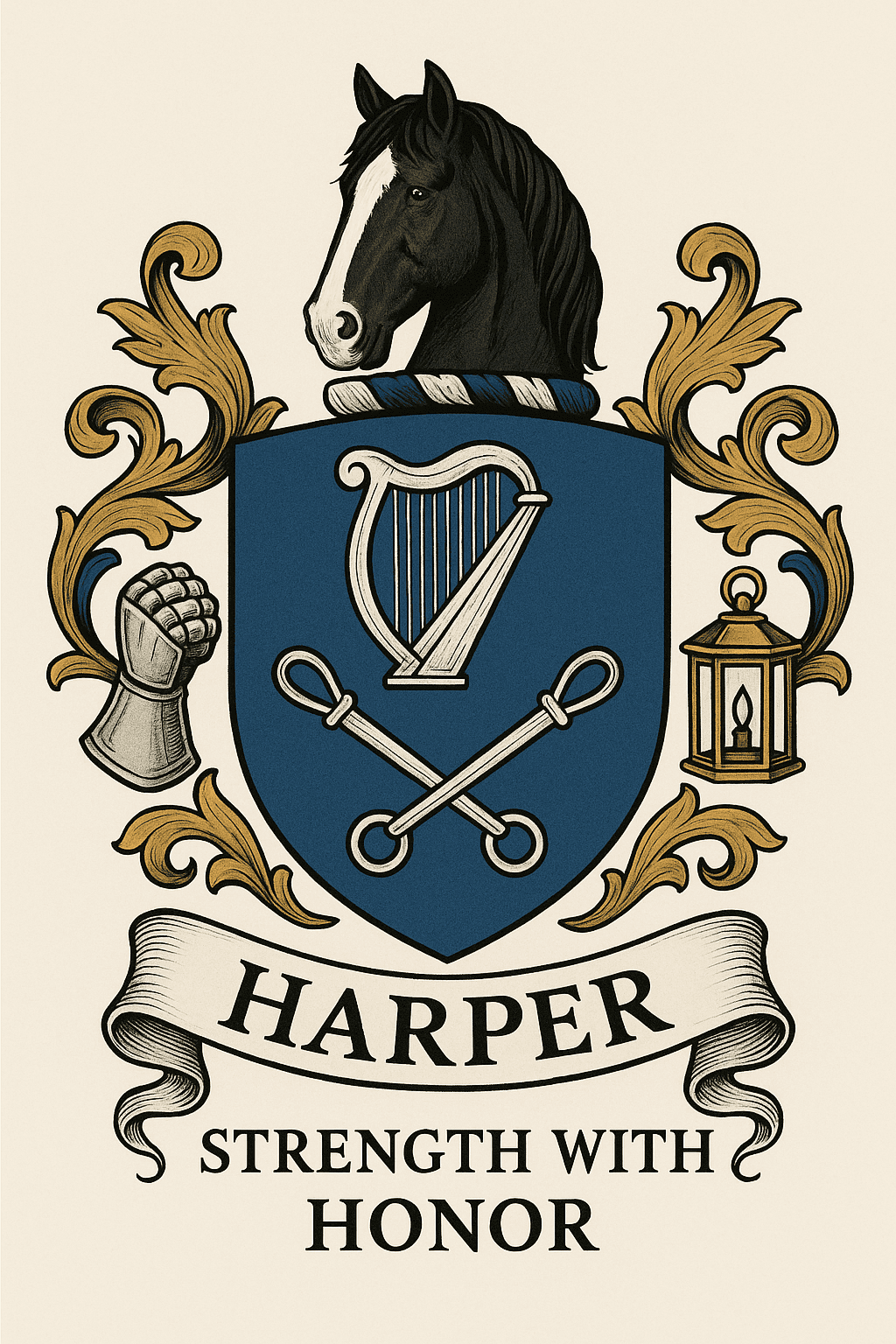
The Harper arms — Strength With Honor
Chapter I
Where the Harper name began
The Harper name traces its origins to Old English hearpere — harp players who served far more than an artistic role. In a world without modern communication, early Harpers were trusted storytellers, messengers, and retainers within noble households. Their presence carried influence, integrity, and responsibility.
A Harper was welcomed not simply for talent, but for character. The name became associated with reliability, guidance, and the quiet authority earned through service.
Chapter II
Derbyshire: land, labour, and responsibility
By the 1500s, branches of the Harper family were firmly rooted in Derbyshire, England — a region defined by agriculture, estates, and disciplined rural life. While the prominent Harpur-Crewe family owned Calke Abbey and its surrounding lands, many Harper families lived and worked within the world shaped by such estates.
Their lives were not aristocratic — but essential. Farmers, craftsmen, and estate workers carried the responsibility of maintaining land, animals, and infrastructure that sustained entire communities. In this environment, trust mattered. Competence mattered. Consistency mattered.
Legacy was earned daily through work done well.
Chapter III
Standing beside giants
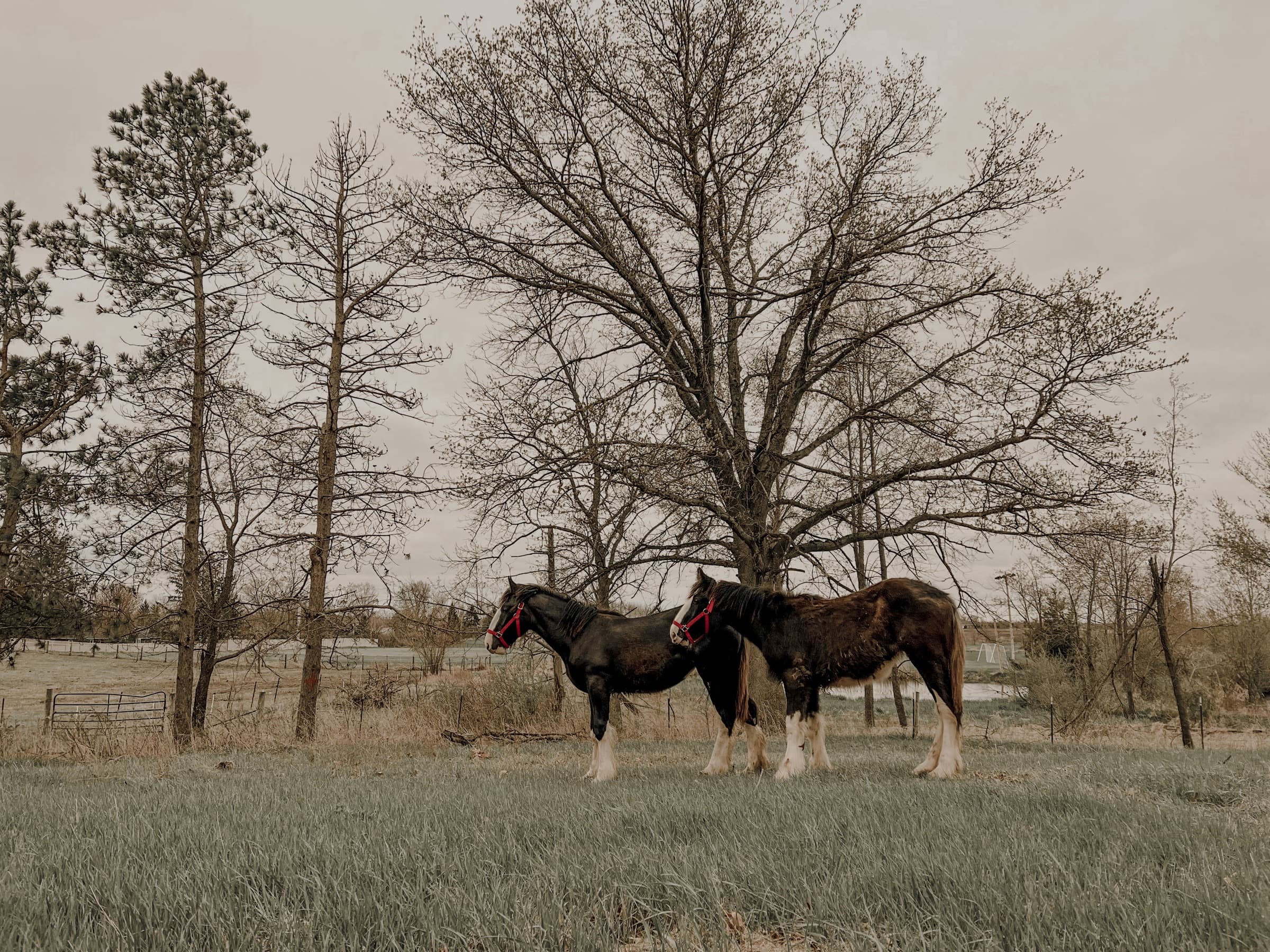
At the centre of this world stood the Shire horse.
Powerful, intelligent, and gentle, Shires were the backbone of England’s agricultural economy long before machines existed. Their size demanded respect. Their care required patience, discipline, and calm leadership.
Those entrusted with Shire horses — grooms, barn caretakers, and farm labourers — were not chosen lightly. These roles were given to people who understood responsibility, who could guide strength without force, and who showed up every day with quiet consistency.
Values passed down the Harper lineage
- 01Patience over urgency
- 02Discipline over control
- 03Respect for power
- 04Responsibility without recognition
The Distinction
Legacy is a responsibility — not a story
Legacy is not nostalgia.
It is not something admired from a distance or displayed without accountability.
“Legacy is responsibility — the obligation to carry forward what was entrusted to you, and to protect what cannot protect itself.”
Preservation without responsibility is temporary. Stewardship creates continuity.
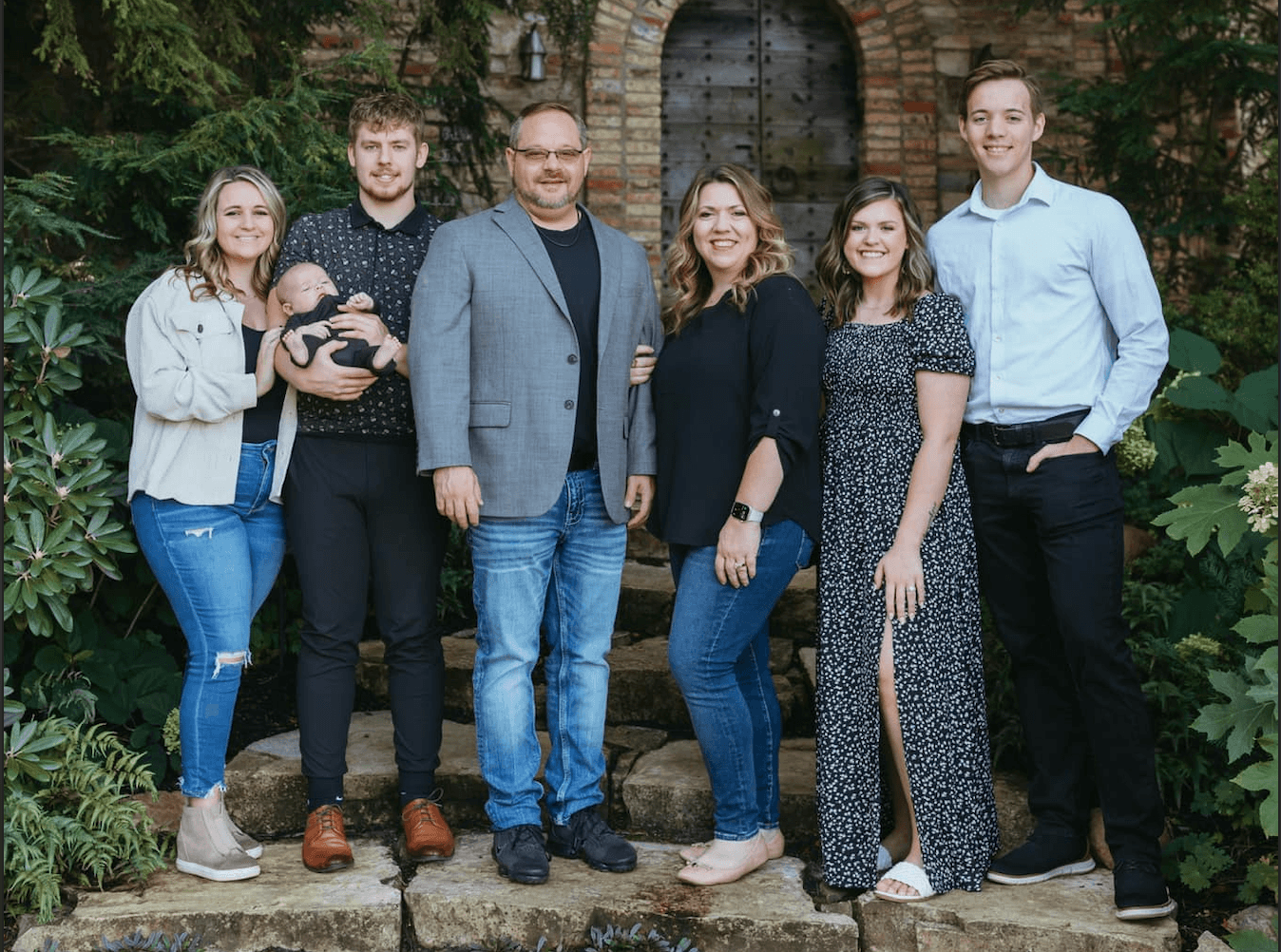
Laton Shires owner, Gary Harper& family
Chapter IV
Why Laton Shires exists
Laton Shires is the modern expression of that responsibility.
As the Shire horse faces global endangerment, preservation alone is not enough. The breed must be protected, strengthened, and reintroduced to the world with relevance and purpose.
Laton Shires exists to honour the past without being confined by it — to apply centuries-old values of care, patience, and stewardship to the future of the Shire horse. We do not breed for novelty. We breed with intention, accountability, and long-term vision.
Legacy shapes our purpose. Lineage defines our responsibility. Luxury reflects our standard.
What We Carry Forward
The values we carry forward
At Laton Shires, every decision is guided by principles that transcend generations.
Stewardship over ownership
The horse outlives the owner. Act accordingly.
Faith in long-term responsibility
Decisions measured in decades, not seasons.
Excellence without excess
Nothing ornamental. Everything considered.
Quiet confidence earned through care
Proof is in the animal, not the claim.
Respect for strength guided by gentleness
A ton of horse led by a soft hand.
These values define how we raise our horses, how we present the breed, and how we honour the trust placed in us.
The Harper legacy is not about where we came from. It is about what we refuse to let disappear.